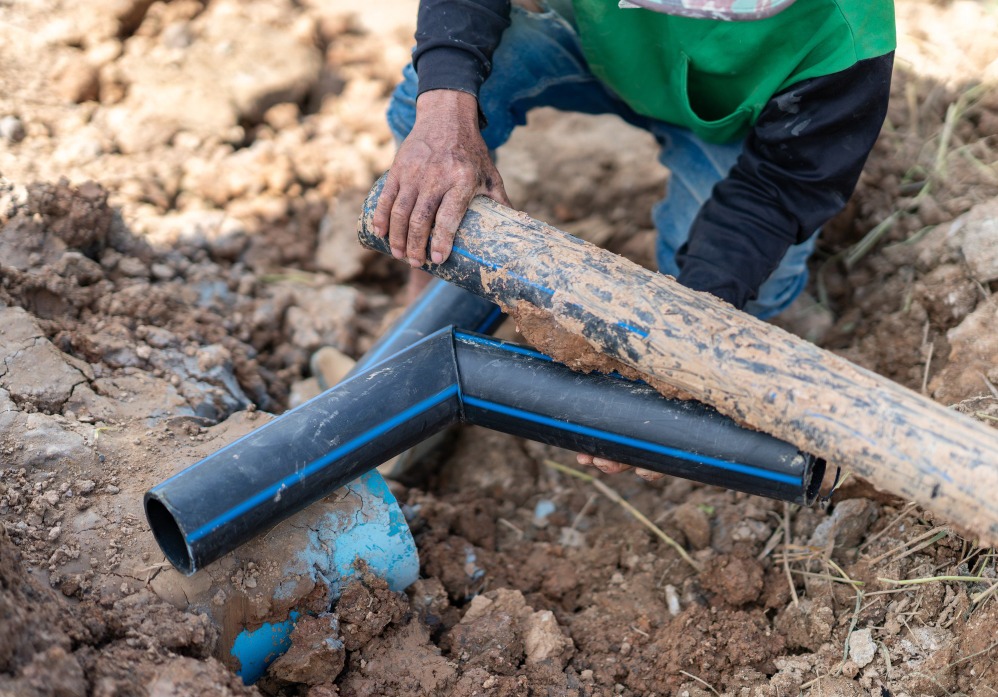
Reliable piping is an important part of irrigation, landscape water distribution, agricultural applications, and many infrastructure projects. HDPE piping project works are commonly considered where users need durable piping capable of supporting long-term water movement across a property.
The pipe itself, however, is only one part of a successful project. Route planning, sizing, joining quality, pressure requirements, and installation practices all influence final performance.
Why HDPE Is Used in Water Projects
High-density polyethylene piping is valued for characteristics that make it useful in many outdoor and buried applications.
Depending on project specifications, benefits can include:
- Corrosion resistance
- Relatively low weight
- Flexibility
- Suitability for long pipe runs
- Durable jointing methods
- Practical use in irrigation networks
The exact grade and specification should always be selected according to the intended application.
Pipe Diameter Requires Calculation
Selecting pipe diameter by guesswork can lead to problems.
A pipe that is too small for the required flow may create excessive pressure loss. Oversizing without a project reason may increase material costs unnecessarily.
The design should consider required flow, total distance, elevation changes, number of outlets, pressure requirements, and future expansion possibilities.
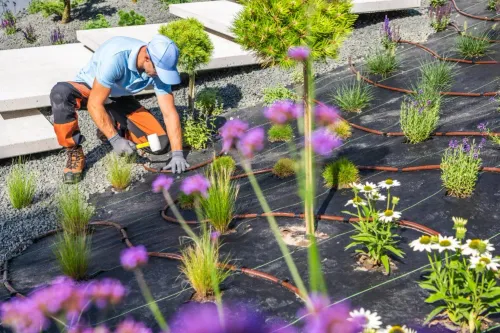
This is especially relevant when piping supplies popup irrigation systems, landscape zones, or other water-distribution equipment.
Route Planning Can Prevent Future Problems
The shortest pipe route is not always the most practical.
Installers need to consider roads, pathways, foundations, electrical services, existing utilities, landscape features, and locations where future maintenance access may be required.
For landscaped properties, routes should also minimize unnecessary disturbance to mature planting.
Creating a clear project layout before excavation can make installation more organized.
Joint Quality Is Critical
A pipeline can use appropriate material yet still perform poorly when joints are not completed correctly.
HDPE systems often rely on specialized joining procedures. Proper equipment, surface preparation, alignment, and installation technique matter.
After installation, testing helps identify issues before trenches or concealed sections become difficult to access.
Match the Network to the Application
An agricultural irrigation network has different requirements from a hotel landscape or residential development.
Builders may need distribution across a large plotted site. Resorts may need irrigation lines serving multiple landscape zones. Institutions may require underground networks designed around future maintenance.
Project planning should therefore begin with the end use rather than a standard piping package.
Consider Future Expansion
Where property development may continue in phases, it can be useful to consider future water requirements during initial planning.
Appropriate provision for additional zones may reduce the need to disturb completed landscapes later.
Accurate records of underground routes can also help future maintenance teams locate pipelines without unnecessary excavation.
Selecting Project Support
For HDPE piping work in Nagpur, site conditions, project scale, pressure requirements, and Maharashtra's seasonal climate should all be considered before installation begins.
Nagpur Eco Agro works with irrigation, landscaping, piping, and related outdoor project requirements. A project-specific approach can help ensure that the piping network supports the intended system rather than becoming a limitation after other landscape infrastructure has already been installed.
Reliable HDPE piping project works depend on planning beneath the surface. Correct sizing, routing, joining, testing, and documentation can provide the foundation for efficient water distribution across residential, agricultural, institutional, hospitality, or commercial properties.
Keywords