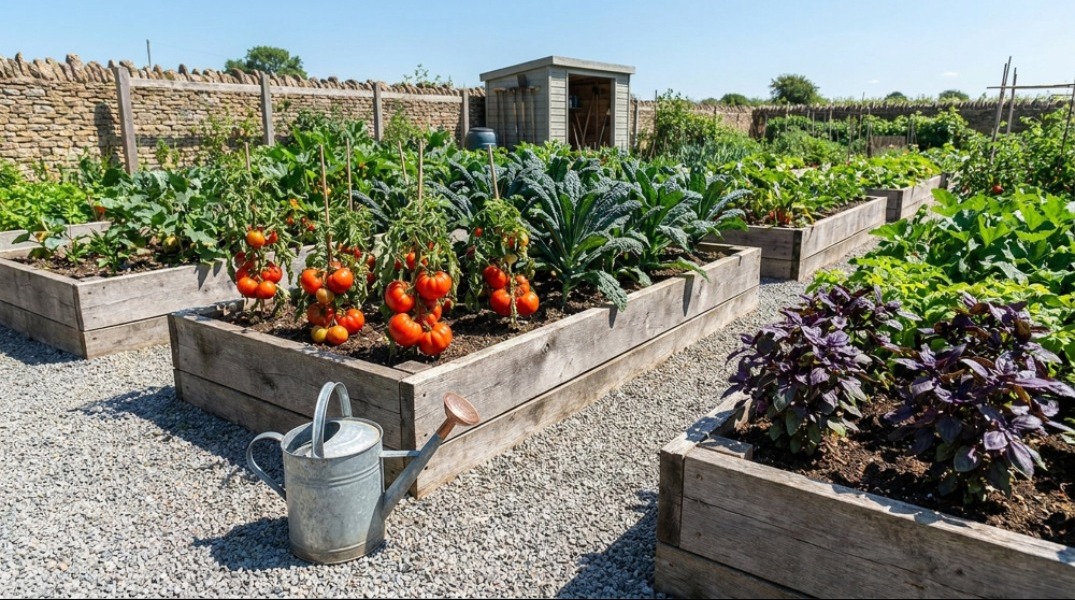
A terrace can become a productive growing space when sunlight, containers, growing media, drainage, irrigation, and crop selection are planned correctly. Organic vegetable terrace gardens allow urban households to grow selected vegetables and herbs in spaces that might otherwise remain unused.
For Nagpur homes, however, successful terrace gardening requires more than placing pots on a rooftop. Maharashtra's summer heat and monsoon conditions make planning particularly important.
Check the Terrace First
Before creating a large garden, property owners should understand the condition and load-bearing suitability of the terrace.
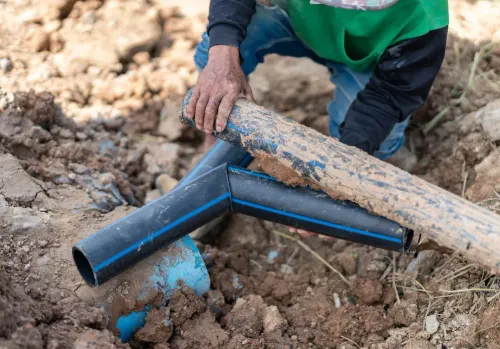
Waterproofing and drainage are also important. Containers should not obstruct drainage outlets, while excess irrigation water needs a clear path away from growing areas.
Where a substantial terrace garden is planned, appropriate professional guidance regarding structural suitability may be worthwhile.
Observe Sunlight Patterns
Most vegetables need adequate light, but different crops have different requirements.
Observe the terrace during morning, midday, and afternoon hours before deciding where containers will be placed. Extremely exposed locations may also require seasonal protection during Nagpur's hottest months.
A shade structure can be useful for sensitive crops when intense summer sunlight becomes excessive.
Choose Suitable Growing Containers
Grow bags are popular for terrace gardens because they are available in different sizes and can accommodate various crops.
Container size should match the root system of the plant. Leafy vegetables can often grow in relatively shallow arrangements, while crops with larger root systems require more growing volume.
Adequate drainage holes are essential because waterlogged growing media can damage roots.
Use a Suitable Potting Medium
Ordinary garden soil alone can become heavy in containers. A well-prepared potting medium should balance moisture retention, drainage, aeration, and root support.
Soilless potting mixes can be useful where reduced weight and consistent growing characteristics are priorities.
Organic matter may also be incorporated according to crop requirements.
Plan Crops by Season
Not every vegetable performs equally throughout the year.
Terrace gardeners should select crops suited to current temperature and seasonal conditions. Starting with manageable crops can help beginners understand watering, feeding, pruning, and pest observation before expanding the garden.
Useful categories can include:
- Leafy vegetables
- Culinary herbs
- Chillies
- Tomatoes
- Brinjal
- Selected gourds
- Seasonal vegetables
Container dimensions and support structures should match the selected crop.
Manage Water Carefully
Containers can dry faster than ground soil, particularly during hot weather. At the same time, excessive watering can create root problems.
Check moisture rather than watering automatically without observing the plants.
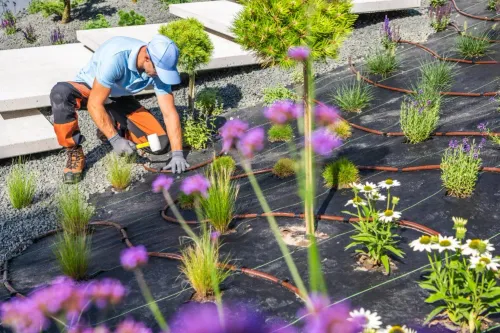
For larger terrace gardens, an organized irrigation arrangement can reduce manual effort and provide more consistent watering.
Build the Garden Gradually
A productive terrace garden does not need to be completed in one day. Beginning with a small group of containers makes it easier to understand local growing conditions.
Nagpur Eco Agro supports terrace gardening, grow bags, growing media, fertiliser, irrigation, and related garden requirements in Nagpur. Homeowners can use these elements to create a system suited to available rooftop space rather than copying a garden designed for a different climate.
Organic vegetable terrace gardens can provide fresh seasonal produce while making urban terraces greener and more engaging. Careful planning around structural suitability, drainage, sunlight, container size, growing media, crop selection, and water management creates a stronger foundation for long-term terrace gardening.
Keywords